
Drain Cleaned: What Every Denver Homeowner Should Know Before the Next Clog
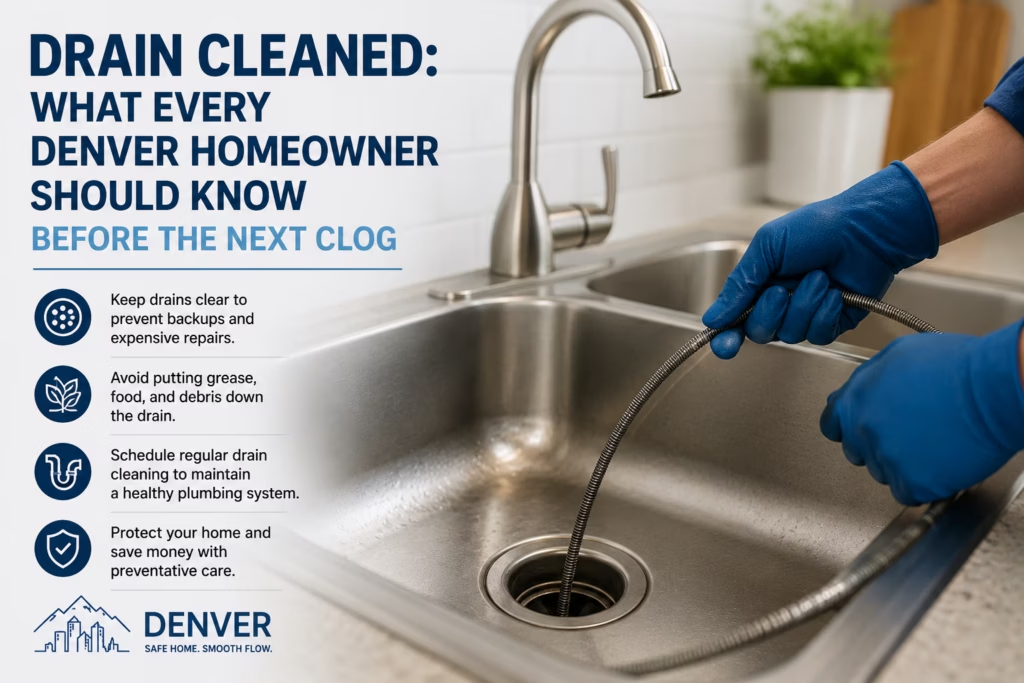
It usually starts small. The bathroom sink takes a few extra seconds to empty. The kitchen drain gurgles after the dishwasher runs. The shower starts holding an inch of water around your ankles by the time you’re done rinsing off. None of it feels urgent — until the day you can’t ignore it anymore and water is pooling on the floor.
Here’s the thing most homeowners don’t realize: by the time a drain is fully clogged, the problem has usually been building for weeks or months. Catching the early signs — and understanding what’s actually happening inside your pipes — is the difference between a quick service call and a flooded kitchen on a Sunday morning.
This guide walks you through what causes drain clogs in Denver homes specifically, how to spot the warning signs early, what you can safely try yourself, and when it’s time to put the bottle of drain cleaner down and pick up the phone. Whether you’re dealing with a kitchen sink that won’t cooperate, a bathroom drain full of hair, or a laundry line that’s started backing up, this is what you need to know.
Why Denver Drains Clog More Than People Expect
If you moved to Denver from somewhere else, you may have noticed your plumbing seems to act up more than it did at your old place. That’s not your imagination. The Front Range has a unique combination of conditions that work together to clog drains faster than almost anywhere else in the country.
Hard water. Denver’s water supply carries elevated levels of calcium and magnesium — the minerals responsible for that white crust you see around your faucets. Inside your drain pipes, those same minerals deposit a rough scale layer that narrows the pipe’s effective diameter and gives soap residue, grease, and food particles something to grab onto. Even brand-new pipes start collecting scale within a few years of installation.
Expansive clay soil. The bentonite clay underneath much of the Front Range expands when wet and contracts when dry. With every spring snowmelt and every dry winter, the soil around your underground drain lines shifts — slowly separating pipe joints, creating low spots where waste accumulates, and opening tiny cracks that tree roots love to exploit.
Freeze-thaw cycles. Denver gets a lot of days where the temperature swings 30 or 40 degrees between sunrise and sunset. That constant freezing and thawing stresses pipe joints and outdoor drain components in ways that pipes in milder climates never have to deal with.
Older housing stock. If your home was built before the 1980s, your drain lines may be clay tile, cast iron, or Orangeburg pipe (a tar-paper-based pipe used heavily in suburban developments). All three materials deteriorate over time, and all three are far more vulnerable to clogs and root intrusion than modern PVC.
Add it all up, and the average Denver home is fighting a constant low-grade battle against its own drains. Knowing this is the first step in staying ahead of it.
The Warning Signs to Watch For
Drain problems almost always announce themselves before they become emergencies. Here are the signals that something is brewing.
Slow Drainage in One Fixture
If just your kitchen sink or just one bathroom drain is moving slowly, you’re probably dealing with a localized clog within a few feet of the fixture. This is the easiest type of problem to address — and the easiest to catch early. Don’t wait until it stops draining completely.
Multiple Drains Slow at the Same Time
This is the one to pay attention to. When your kitchen sink, bathroom sink, and shower all start draining slowly within the same week, the problem isn’t at any individual fixture — it’s deeper in the system, in the branch line that connects them or potentially in your main sewer line. This is when DIY solutions stop working and a professional inspection becomes a smart investment.
Gurgling Sounds
That bubbling, glugging noise you hear from a drain when you flush a toilet or run the washing machine? It’s air trying to escape past a partial blockage. Gurgling is your plumbing’s way of telling you a clog is forming, even when water still seems to flow normally.
Bad Smells Coming from Drains
A healthy drain shouldn’t smell like anything. If you’re getting sewer odors, rotten-egg smells, or a general musty stench from your drains, it usually means organic material — food, hair, soap scum, grease — is decomposing somewhere in the line. The smell is the bacteria thanking you for the meal.
Water Backing Up in Unexpected Places
Run the washing machine and notice water bubbling up in the basement floor drain? Flush the toilet and the bathtub starts filling? That’s a clear sign of a blockage in a shared line. Water is taking the path of least resistance, and unfortunately that path leads back into your home.
Recurring Clogs in the Same Spot
If you’ve cleared the same drain three times in six months, the underlying problem isn’t going anywhere. Standard plunging or chemical cleaners might give you temporary relief, but something structural is keeping that clog coming back — and it needs a professional diagnosis.
What’s Actually Causing the Clog (Room by Room)
Different drains clog for different reasons. Understanding what’s most likely going on helps you avoid the habits that caused it in the first place.
Kitchen Drains
The kitchen is the most clog-prone drain in almost every home, and the reason is simple: grease.
Cooking oil, bacon grease, butter, and the fat from ground beef all go down the drain as liquid. As they travel through your pipes and cool off, they solidify — coating the inside of the pipe like cholesterol in an artery. Once that grease layer is there, it grabs onto everything else: coffee grounds, rice, pasta, vegetable peels, even soap residue. The pipe narrows, water slows, and eventually you have a full blockage.
Common kitchen drain offenders:
- Grease and cooking oil (the number one cause, hands down)
- Coffee grounds — they don’t dissolve, they accumulate
- Eggshells — the membrane catches on everything
- Starchy foods like pasta and rice that expand in water
- Stringy vegetables like celery and corn husks that wrap around disposal blades
- Fruit pits and bones that shouldn’t go in the disposal at all
Pro tip: pour leftover grease into an old coffee can or jar, let it solidify, and throw it in the trash. Your kitchen drain will last decades longer.
Bathroom Sink Drains
Bathroom sinks clog for one main reason: hair, combined with soap and toothpaste residue, builds up on the inside of the pipe and eventually forms a sticky mat that catches everything else passing through.
Hair is the worst offender because it doesn’t break down. It tangles with itself and with soap scum, building a mesh that water has to push through. Add in dental floss (which acts like a net), small caps from toothpaste tubes, makeup residue, and the occasional contact lens, and you have a recipe for a slow drain.
The fix is mostly preventive: a $2 hair-catcher screen over the drain saves you hundreds in service calls over time.
Shower and Bathtub Drains
Same story as the bathroom sink, but worse. Showers and tubs accumulate hair faster, and the soap scum buildup is heavier because of the volume of water and product going down the drain.
In Denver specifically, hard water makes this worse. The calcium and magnesium in our water react with soap to form a sticky, waxy residue (literal soap scum) that sticks to hair and pipe walls. Over time, the inside of a shower drain can look like the inside of a clogged artery — narrowed, coated, and grabby.
Laundry Room Drains
Laundry drains face a unique set of challenges. Every load of laundry sends lint, fabric fibers, hair from clothing, and small debris down the standpipe. Most of it gets caught by the washing machine’s filter, but a surprising amount makes it through and accumulates in the drain line.
Add in detergent residue (which doesn’t fully rinse away in cold water) and the occasional sock that escapes during the spin cycle, and laundry drains tend to develop slow buildups that go unnoticed until water starts backing up onto the floor.
Older homes especially can have issues here, because the laundry standpipe is often connected to an undersized drain line that wasn’t designed for modern high-efficiency washers pushing 15+ gallons of water in a single cycle.
What You Can Safely Try Yourself
Not every clog needs a professional. Here’s what’s worth trying before you call someone.
Boiling water. For a slow kitchen drain, a kettle of boiling water poured directly down the drain can dissolve grease and break up minor buildups. Don’t use it on PVC pipes if the drain is completely clogged (the water will sit and could soften the joints), but for slow drains it’s effective and free.
Baking soda and vinegar. The classic combination. Pour about a cup of baking soda down the drain, follow with a cup of white vinegar, let it foam for 15 minutes, then flush with hot water. Works on minor organic buildups in bathroom and kitchen drains.
A good plunger. Most people don’t realize there are two types of plungers — a flat-bottomed cup plunger for sinks and tubs, and a flange plunger for toilets. Using the right one with a good seal can clear most simple clogs.
A drain snake or hand auger. A basic hand-crank drain snake from any hardware store ($15-30) can reach clogs a plunger can’t. Run it down the drain, turn the handle, and pull out whatever it grabs. Works especially well on hair clogs in bathroom drains.
What NOT to try: liquid drain cleaners. Yes, they sometimes work. They also corrode older pipes, fail completely on grease and hair clogs deeper in the system, and create a hazardous situation for whoever has to work on the drain afterward. If the chemical cleaner doesn’t fix the problem on the first try, a plumber has to work around a pipe full of caustic chemicals. Skip them.
When It’s Time to Call a Pro
There’s a point where DIY fixes stop being helpful and start making the problem worse. Call a professional when:
- Multiple drains are slow at the same time. This points to a deeper issue — a branch line clog or a main sewer line problem — that no over-the-counter product is going to solve.
- You’ve cleared the same drain more than twice in six months. Recurring clogs mean something underlying is wrong. A plumber with a camera can find it.
- Water is backing up into a fixture when you use another one. Flushing the toilet shouldn’t fill the bathtub. This indicates a serious blockage downstream.
- You smell sewage inside the house. That’s a venting or blockage issue that needs immediate professional attention.
- The clog is in your main line. If your basement floor drain is the first thing to back up, the problem is almost certainly in the main sewer line, not in any individual fixture. This is not a DIY job.
- You have an older home (pre-1980s) with recurring drain issues. You may be dealing with deteriorating clay tile, cast iron, or Orangeburg pipes. A camera inspection will tell you exactly what’s going on underground.
A professional drain cleaning typically involves a powered drain auger (which can reach far deeper than any home snake), and for tougher jobs, hydro jetting — using high-pressure water to blast through grease, scale, and roots while scouring the inside of the pipe clean. For diagnosis, a sewer camera inspection is the gold standard: a small waterproof camera snaked through your line so the plumber (and you) can see exactly what’s happening.
How to Keep Your Drains Flowing Year-Round
The best drain cleaning is the one you don’t have to schedule. A few habits go a long way:
- Never pour grease down the kitchen drain. Ever. Coffee can, freezer, trash.
- Use hair-catcher screens in every bathroom drain. Cheap insurance.
- Run hot water for 30 seconds after using the kitchen sink to help flush grease through.
- Don’t treat your garbage disposal like a trash can. It’s for small food scraps, not bones, fibrous vegetables, or fruit pits.
- Be careful what you flush. Only toilet paper and human waste. “Flushable” wipes are not flushable — they’re one of the most common causes of main line clogs in Denver homes.
- Schedule a professional drain cleaning every 1-2 years if you have an older home, mature trees near your sewer line, or a history of recurring clogs.
The Bottom Line
A clogged drain doesn’t have to mean a flooded kitchen or a weekend ruined by sewage backup. Most drain problems give you warning — slow drainage, gurgles, smells, recurring clogs in the same spot — and catching them early means a quick fix instead of an expensive emergency.
If you’ve been ignoring a slow drain, or if you’re stuck in a cycle of clogs that keep coming back, it’s worth getting it looked at by someone who can actually see what’s going on. A 30-minute service call now is almost always cheaper than what happens when the problem finally explodes.
Denver’s plumbing has more working against it than most cities — the soil, the water, the climate, the age of the housing stock. Staying ahead of clogs isn’t optional here. It’s just part of owning a home.